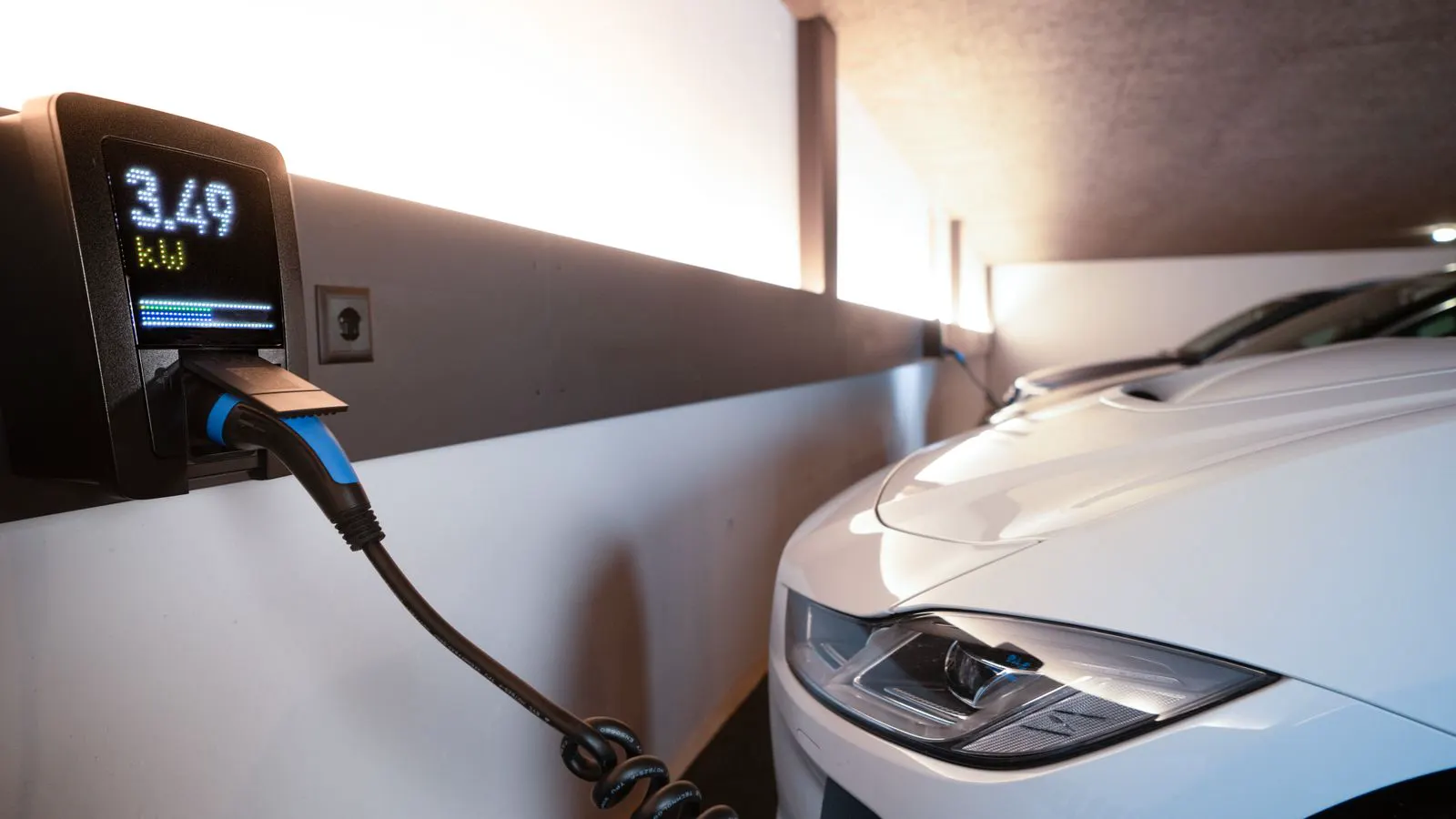
Procurement managers must match charger phase configuration to site power limits. Single phase units suit low-load sites. Three phase stations handle higher power. Supplier comparison focuses on compatibility, cost, and installation complexity.
- Single phase AC chargers are cheaper and easier to install on standard sites.
- Three phase charging stations deliver higher power but demand dedicated supply lines.
- Supplier comparison must cover equipment, installation, and long term maintenance.
- Check local grid limits before selecting a three phase solution.
- Request sample installation drawings from suppliers before finalizing bids.
Which Phase Configuration Fits the Site Power Limits
Procurement teams often face a binary choice between single phase and three phase supply. The decision hinges on available amperage and voltage stability at the installation point. A site with a standard residential or small commercial supply may only support a single phase AC charger. A larger facility with a balanced three phase feed can handle a three phase charging station.
The first step is a load audit. Check the main switchboard capacity. Identify existing loads that draw power during peak hours. A three phase unit draws current from all three conductors. This requires a balanced load. If the site supply is unbalanced, the charger may trip breakers or cause voltage fluctuations.
Single phase units draw from one phase and the neutral. They are simpler to wire. The installation often uses an existing outlet or a small sub panel. However, the maximum current is limited by the circuit rating. If the goal is a faster charge, the single phase approach hits a ceiling quickly.
How Supplier Offerings Differ by Phase Type
Supplier catalogs often list equipment under different categories. A single phase AC charger typically appears as a wallbox or a portable unit. A three phase charging station may be a high power AC unit or a DC fast charger. The procurement team must clarify the distinction.
Supplier A might focus on residential and light commercial single phase units. Their stock will include compact enclosures and standard cables. Supplier B may specialize in three phase infrastructure for fleet depots. Their offerings will include larger enclosures, robust cables, and integration with building management systems.
The comparison is not just about the charger unit. It extends to the power supply hardware. A three phase supplier will often quote a dedicated circuit or a load management system. A single phase supplier may include a simple plug-in adapter. The total cost of ownership depends on these components.
| Option | Best for | Limitations |
|---|---|---|
| Single Phase AC Charger | Low power sites, residential, small commercial | Slower charging speed, limited current draw |
| Three Phase AC Charger | Fleet depots, high power commercial sites | Requires balanced three phase supply, higher upfront cost |
| Mixed Phase Supplier | Sites with varying power capacities | Complex installation, potential for higher integration costs |
| Dedicated Three Phase Infrastructure | Large scale charging hubs | High installation effort, requires grid upgrade in some cases |
| Portable Single Phase Unit | Temporary events, short term deployments | Not suitable for fixed installations, limited duty cycle |
Installation Complexity and Site Preparation
Installation time and cost vary significantly between the two phase types. A single phase AC charger installation is often a simple task. The electrician may run a new circuit from the main board. The work involves conduit, wiring, and a breaker. The process takes a few hours to a day.
A three phase charging station installation is more involved. The electrician must run three phase conductors. The wiring gauge must handle the higher current. The breaker size is larger. The enclosure must be rated for the higher power. The work often requires a dedicated sub panel. The timeline can extend to several days.
Site preparation is a major cost factor. If the site lacks a three phase supply, the utility may need to upgrade the connection. This can be expensive and slow. The supplier must provide a clear scope of work. The quote should separate equipment cost from installation labor.
Load Management and Grid Interaction
High power charging can strain the grid. A three phase charging station draws significant current. Without load management, multiple chargers operating at once can overload the supply. A single phase unit draws less, but multiple units can still cause issues.
Suppliers offer different load management solutions. Some include a built-in smart controller. This device monitors the available power and adjusts the charge rate per unit. It prevents overloading. The controller communicates with the charger via a network.
The supplier comparison should include the load management strategy. A basic solution may limit the total output. A more advanced system can integrate with the building management system. It can schedule charging based on peak demand. The cost of these features varies by supplier.
Total Cost of Ownership and Maintenance
The upfront cost of a three phase charging station is higher. The equipment is more expensive. The installation is more complex. However, the total cost of ownership may differ. A three phase unit charges vehicles faster. This reduces the time the vehicle is occupied. This increases the throughput of a charging hub.
Maintenance is another factor. A three phase system has more components. The wiring is heavier. The connections must be tight to prevent heating. A single phase unit is simpler. It has fewer components. It is easier to service.
The supplier should provide a maintenance plan. The plan should cover spare parts, software updates, and hardware checks. A three phase supplier may offer a comprehensive service contract. A single phase supplier may offer a basic warranty. The procurement manager must weigh the cost of the contract against the risk of downtime.
Regulatory Compliance and Safety Standards
Charging equipment must meet local safety standards. The supplier must provide documentation proving compliance. The charger must have a valid certification. The installation must follow local electrical codes.
A three phase installation has stricter requirements. The wiring must be rated for the voltage and current. The grounding must be correct. The enclosure must be rated for the environment. The supplier must provide the necessary technical drawings.
A single phase installation has fewer requirements. It is easier to certify. However, the supplier must still provide the necessary documentation. The procurement team should request the compliance certificates before signing the contract.
How to Evaluate Supplier Quotes
When comparing supplier bids, look beyond the unit price. The quote should break down the costs. Equipment, installation, load management, and commissioning should be separate line items. The quote should specify the scope of work.
The supplier should provide a timeline. The timeline should include the lead time for the equipment. It should include the installation window. It should include the commissioning and handover.
The supplier should provide a support plan. The support plan should include the response time for issues. It should include the availability of spare parts. It should include the training for the site staff.
The procurement manager should request references. Ask the supplier for similar projects. Contact the clients. Ask about the experience. Ask about the installation quality. Ask about the ongoing support.
The final decision should be based on the total value. The value includes the cost, the reliability, and the support. A cheaper quote may have hidden costs. A higher quote may offer better support. The procurement manager must evaluate the full picture.
The comparison between single phase and three phase options is a strategic decision. It affects the site capacity. It affects the user experience. It affects the long term cost. The supplier comparison must be thorough. The procurement team must gather all the data. The decision should be based on facts, not assumptions.
The best choice depends on the specific site. A small office may only need a single phase unit. A large parking garage may need a three phase station. A mixed use site may need a combination. The supplier must be able to handle the complexity. The supplier must be able to provide the right solution.
The procurement process should be rigorous. The requirements should be clear. The evaluation criteria should be defined. The decision should be documented. The contract should protect the buyer.
The choice of phase configuration is a technical decision. The choice of supplier is a commercial decision. The two must align. The supplier must be able to deliver the technical solution. The supplier must be able to deliver the commercial terms. The procurement manager must find the balance.
The goal is a reliable charging solution. The solution must meet the needs of the site. The solution must be within the budget. The solution must be maintainable. The supplier must be able to deliver all of this.
The comparison of suppliers is a key part of the process. The procurement team must be prepared. The team must ask the right questions. The team must verify the claims. The team must make an informed decision.
The result is a better charging infrastructure. The infrastructure serves the users. The infrastructure supports the business. The infrastructure is a long term asset. The supplier comparison helps ensure the asset is the right one.
The end of the article is here.
Frequently asked questions
Can I use a single phase charger on a three phase supply?
Yes. A single phase charger connects to one phase and the neutral. The three phase supply provides the necessary power. The installation is simpler than a three phase setup.
How do I know if my site has a three phase supply?
Check the main switchboard. Look for three phase conductors. Check the utility agreement. A three phase supply is common in commercial and industrial buildings.
What is the cost difference between single phase and three phase chargers?
The cost difference varies. A three phase charger is generally more expensive. The installation cost is also higher. The total cost depends on the specific equipment and site conditions.
Do I need a load management system for a single phase charger?
It depends on the number of chargers and the site supply. If multiple chargers are used, a load management system can prevent overloading. A single charger may not need one.
How long does it take to install a three phase charging station?
The installation time varies. It depends on the site complexity. A basic installation can take a few days. A complex installation can take longer. The supplier should provide a timeline.